1 min read
CFN FleetWide Fuel Card Program: How Fleets Save and Fuel Nationwide
For years, fleets faced a difficult choice: retail fuel cards offered broad station access but limited discounts, while traditional cardlock fuel...
2 min read
Broderic Fernow
:
November 5, 2025
When it comes to fuel quality, there’s often a misconception that branded retail gas stations sell a much better product than unbranded fuel stations like CFN cardlocks. In reality, all fuel sold in the U.S., whether it’s from a branded or unbranded location must meet the same strict government quality standards. The only real difference between brands comes down to the additives they choose to mix in.
In this guide, we’ll explain how fuel quality is regulated, what types of fuel CFN stations carry, and why CFN fuel can cost less than retail while offering the same fuel quality.
Crude oil is refined into various fuel types at refineries, then transported through pipelines to regional fuel racks, the terminals where fuel trucks load up before delivering to gas stations. No matter the brand, all fuel from refineries must meet strict federal and state quality standards. That means the base fuel quality is essentially the same across every fuel brand.
The main difference between fuel brands comes down to their additive packages. At the rack, fuel trucks load up with the same base fuel quality that meets all government standards. While the truck is being loaded with fuel, the rack will mix in the branded suppliers additives, the ingredients they market as performance boosters to build brand loyalty.
It’s worth noting that branded stations are required to sell their own branded fuel. For example, every Chevron location must carry Chevron fuel supplied by Chevron. Unbranded stations, on the other hand, aren’t tied to a specific supplier, giving them the option to purchase and sell fuel from any brand they choose.
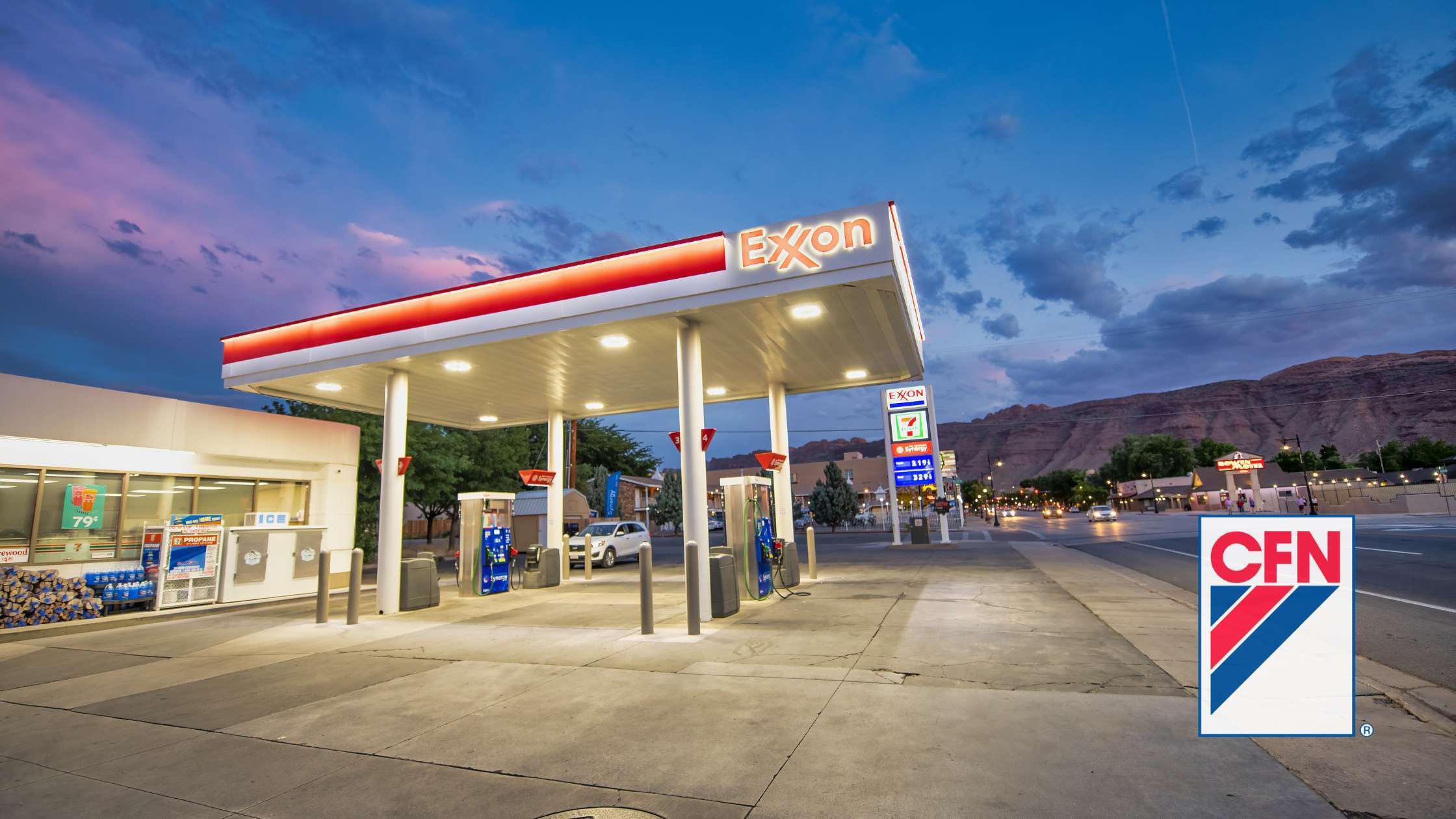
Most CFN stations are unbranded, which means they have the flexibility to purchase from any supplier. Some sites carry unbranded fuel, others may carry branded fuels, and some may even switch between brands to secure the best pricing. Regardless of where the fuel comes from, all CFN fuel meets strict federal and state quality standards because every gallon sold by any fuel station in the U.S. must meet the same government requirements.
CFN fuel is typically cheaper than retail because it’s priced using a wholesale cost-plus model, not retail markups. Retail stations set their prices based on nearby competition and local demand.
The Commercial Fueling Network (CFN) on the other hand, uses Oil Price Information Service (OPIS) wholesale pricing as the cost foundation for all CFN stations, then adds a small fixed margin to cover operational costs. This structure, known as cost-plus pricing, keeps prices more consistent and often 10–35¢ per gallon lower than retail, depending on the market.
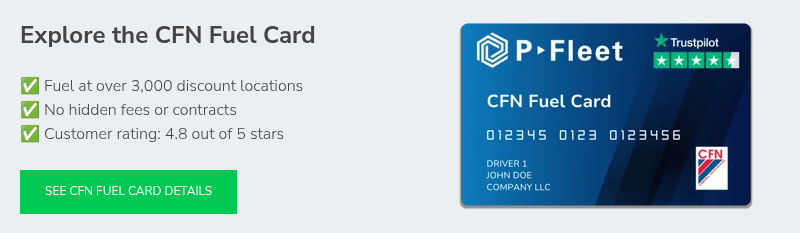
With the P-Fleet CFN fuel card, your business can fuel at over 3,000 CFN stations that offer the same base quality fuel sold at retail gas stations, but at cost-plus pricing that’s usually 10–35¢ per gallon lower. Through P-Fleet’s online fuel card portal, you can view daily CFN prices, monitor transactions by driver or vehicle, and set purchase controls to prevent unauthorized spending. You’ll know exactly where your drivers are fueling, what type of fuel they’re buying, and how much you’re paying.
If you’re ready to save money, simplify fuel management, and take control of your fleet’s expenses, check out the CFN fuel card to see if it’s the right fit for your business.
1 min read
For years, fleets faced a difficult choice: retail fuel cards offered broad station access but limited discounts, while traditional cardlock fuel...
1 min read
When it comes to fueling commercial fleets, CFN cardlock stations offer major advantages that retail gas stations simply can’t match. These sites are...
1 min read
Finding CFN gas stations is easy, whether you’re at your desk or on the road. The CFN site locator and FleetWide mobile app make it simple for...